
I watched Teahupo'o from a boat in the channel once, and the sound of those waves hitting the reef stayed with me longer than the photos did. That break is for experts only, but French Polynesia has plenty of surf for the rest of us, spread across several islands. An Air Tahiti Pass is how I move between them without booking each flight separately. I am no pro surfer, but I have learned where the friendly waves are and where to just watch and respect the locals. Here is how I would plan a surf trip across the islands.
Tahiti, from the legendary reef to beginner sand
Tahiti is the obvious base, and not only because of Teahupo'o on the southwest of Tahiti Iti, the heavy reef wave that hosted Olympic surfing in 2024. That spot is genuinely dangerous and best left to advanced surfers, or simply watched from the channel as I did. The good news is the black-sand beaches around Papenoo on the north coast offer more forgiving beach breaks where a mid-level surfer can have a great day. Tahiti also has the most schools and board rentals, so it is a sensible place to start. I like basing here for a few days before flying out to a quieter island.
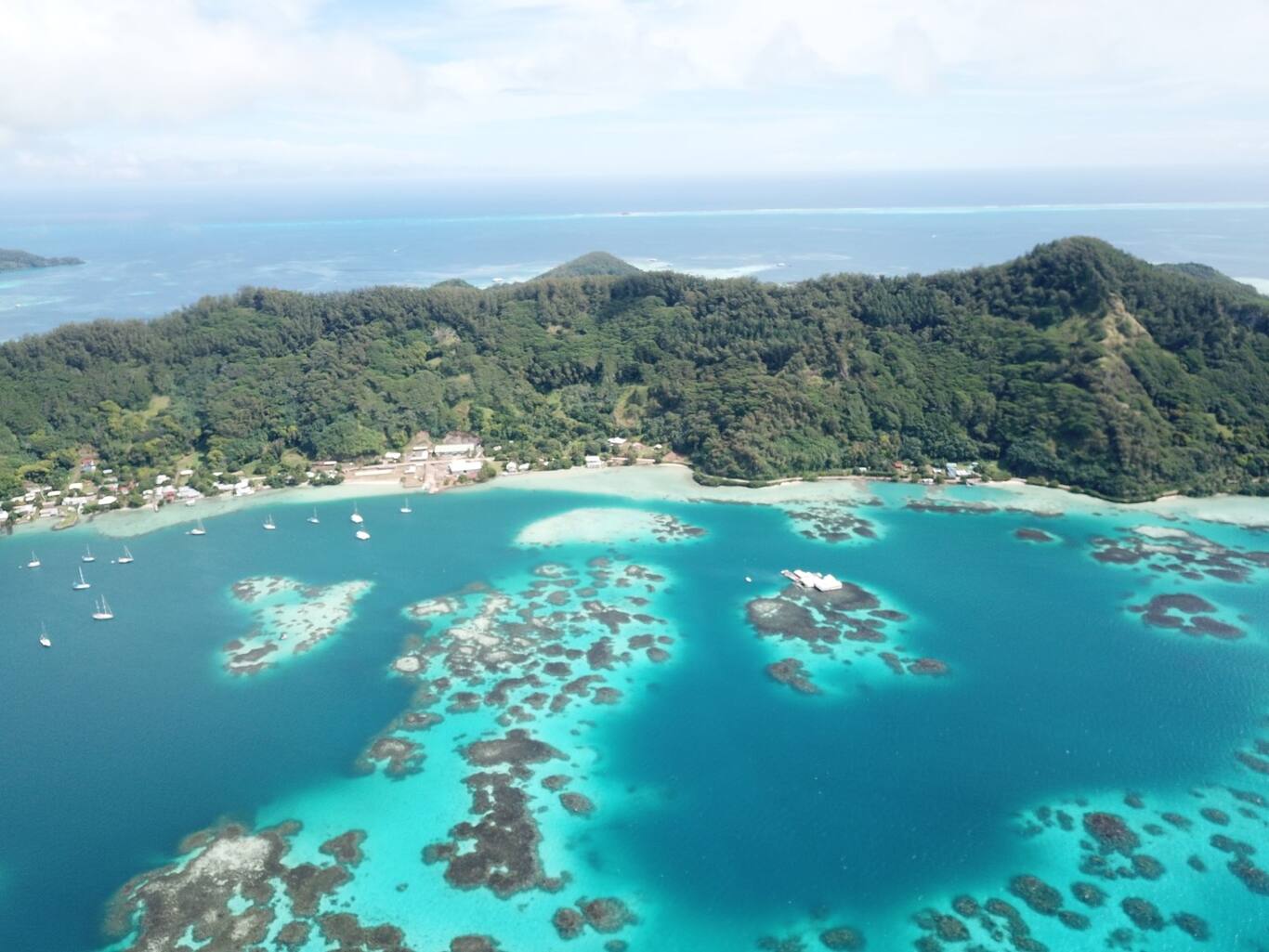
Moorea and the Leeward islands for mellower days
A short hop from Tahiti, Moorea has a relaxed surf scene with reef passes that work for intermediate surfers when the swell cooperates. Further out, Huahine has a reputation among travelling surfers for its passes and a laid-back vibe, and it rarely feels crowded. These waves still break over reef, so booties and local knowledge matter, and I always ask before paddling out at an unfamiliar break. The etiquette in small lineups here is real, and a bit of humility goes a long way. The pass makes it easy to chase the swell from one island to the next instead of committing to a single spot.
Planning a surf trip with the pass
Surf in French Polynesia is seasonal, with the bigger southern swells generally arriving in the Southern Hemisphere winter, roughly May to October, though every year is different. I plan loosely and let the forecast nudge which island I fly to next. Pack a board bag the airline will accept and check current baggage rules, since policies and fees change and oversized gear is not guaranteed space. I keep my schedule flexible because reef breaks depend on tide and swell, and the pass lets me shift islands rather than sit through a flat spell. Routes and timetables can change, so confirm the current inter-island network when you book.
Frequently asked questions
Is Teahupo'o suitable for average surfers?
No. Teahupo'o is a heavy, dangerous reef break for advanced surfers only. Most visitors watch it from the channel and surf gentler spots like the beach breaks near Papenoo.
When is the surf season in French Polynesia?
Bigger southern swells generally arrive around May to October, but conditions vary year to year, so check current forecasts when planning which island to visit.
Can I bring a surfboard on inter-island flights?
Usually yes, but board bags count as oversized baggage with rules and fees that change, so confirm the current baggage policy and space before you travel.
Planning a trip to French Polynesia? Tell us your islands and dates and we'll help you build the right Air Tahiti Pass flight pass and itinerary.