
Fakarava is a UNESCO biosphere reserve, and the first time we snorkelled its south pass I understood why people protect a place this carefully. Travelling French Polynesia gently is not hard, but it does ask you to make a few deliberate choices about where you go and how you behave once you are there. With the Air Tahiti Pass we group nearby islands to cut needless back-and-forth flying. I lean toward family-run pensions, local food and outfitters who care for the reef. Here is how I plan a lower-impact trip across the islands.
Planning a low-impact route with the pass
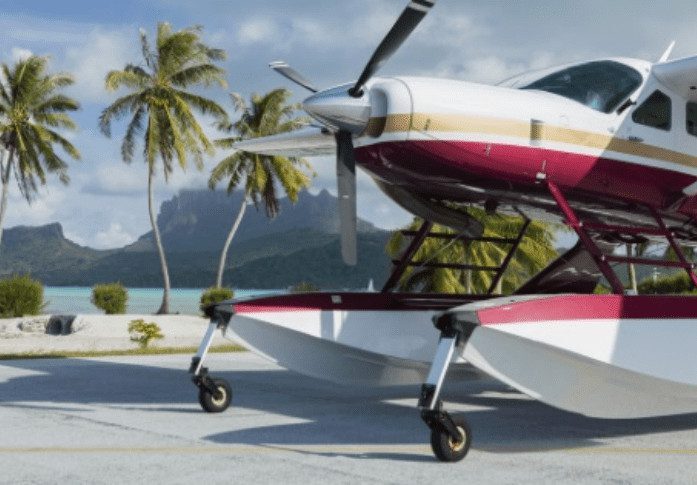
The Air Tahiti Pass is a multi-island air pass on Air Tahiti, and the eco-minded way to use it is to choose islands that sit near each other so you fly less and stay longer in each place. I would rather spend four nights on one atoll than hop every day. The named passes cover different island groups, so I pick a route that keeps the legs short and sensible. Routes and schedules change, so I confirm current details with Air Tahiti and try to make each flight count rather than backtracking.
Choosing places that protect the reef
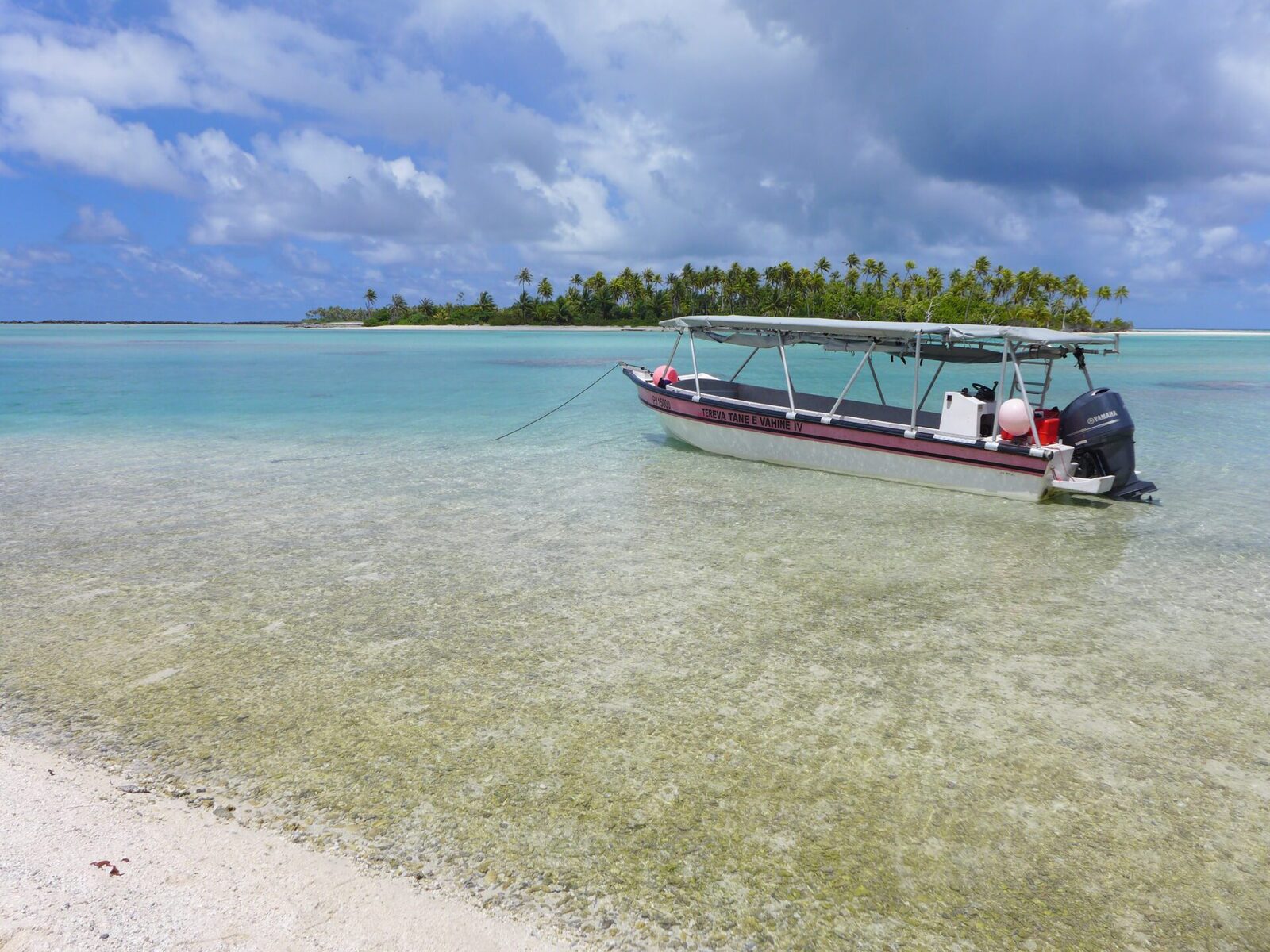
Fakarava's biosphere reserve and the wider Tuamotu atolls are good examples of communities looking after their lagoons, and visiting with local guides keeps that care funded. We stay in small pensions where the money goes to the family running it, eat the local fish and fruit, and skip imported extras where we can. On the water I keep well off the coral, never stand on the reef, and use reef-safer sunscreen. These are small habits, but across a whole trip they add up.
Travelling lightly once you arrive
I pack a refillable bottle and a couple of cloth bags, because waste is a real burden on small islands with limited disposal. Choosing outfitters who run small groups and follow wildlife-watching guidance, especially in whale season, keeps the encounters respectful. I also build in slow days so we are not burning a flight just to add another stamp to the trip. Spending more time in fewer places has consistently been the more rewarding way for us to see the islands.
Frequently asked questions
How do I island hop more sustainably here?
Choose islands that are close together so you fly less, stay longer in each, and favour local pensions and guides. The pass works best when each flight is purposeful rather than daily.
Is Fakarava worth visiting for eco travel?
Fakarava is a UNESCO biosphere reserve with protected lagoons and strong local stewardship. Visiting with local guides and small operators supports that care.
Does flying between islands undercut eco travel?
It has an impact, so I keep routes short and stays long, and confirm current schedules with Air Tahiti. Fewer, well-planned flights beat constant daily hops.
Planning a trip to French Polynesia? Tell us your islands and dates and we'll help you build the right Air Tahiti Pass flight pass and itinerary.